I vividly recall the immense pressure of managing complex regulatory affairs cycles where unstructured data constantly threatened our timelines. My team struggled with outdated compliance technology, drowning in manual reviews that stifled operational efficiency. We desperately needed better quality management systems to handle validation processes and streamline our clinical data management, but the sheer volume of unstructured data kept us lagging behind.
I will demonstrate how deploying AI solutions can completely transform this chaotic landscape into a model of precision. I have seen firsthand how intelligent automation and document intelligence revolutionize regulatory operations for good. You will discover how health authority submissions and pharmacovigilance become effortless through a robust digital strategy and structured content, effectively securing your data governance.
Redefining Regulatory Document Workflows with AI-Driven Precision and Efficiency

Dsur ai writing tool
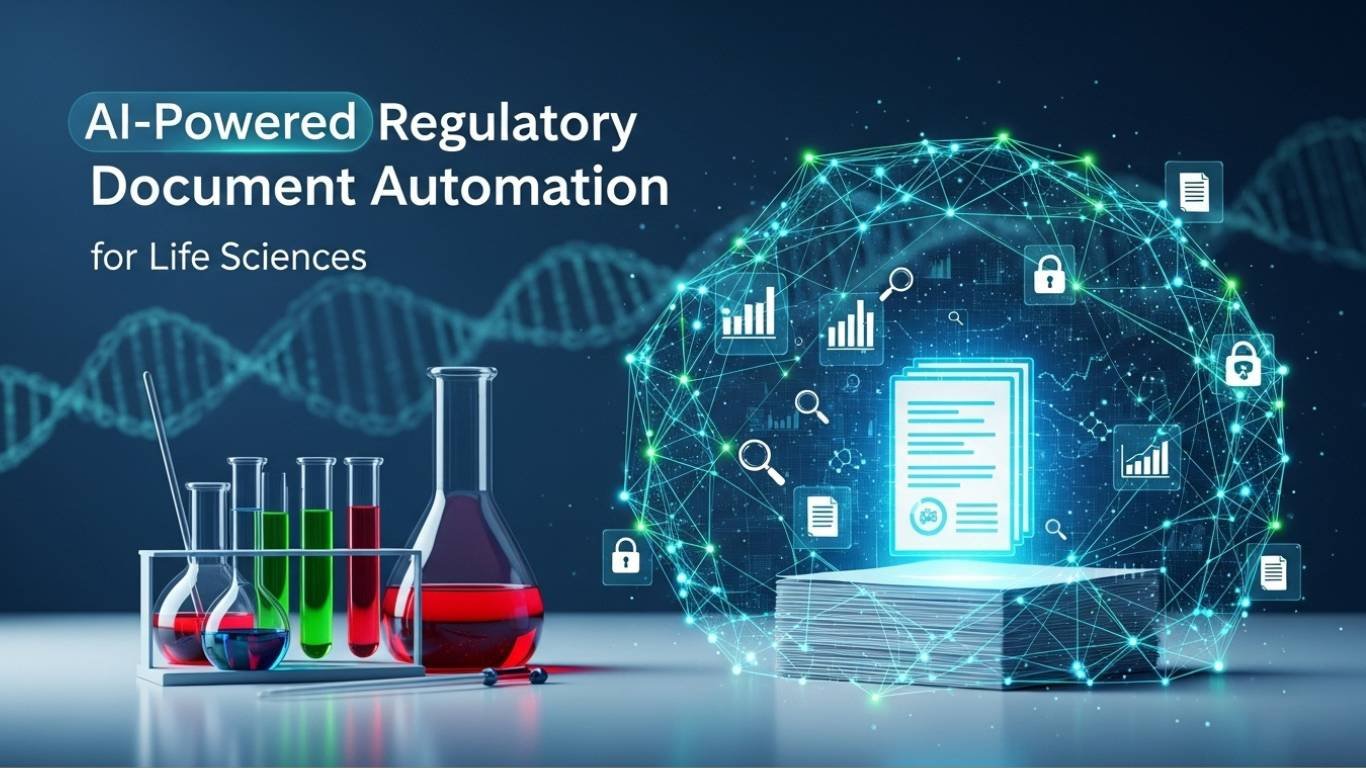
I have consistently observed that manual workflows in drug development significantly hinder rapid innovation. By implementing AI-powered regulatory document automation, I witnessed a massive shift in efficiency and accuracy. Natural Language Processing effectively bridges the gap between raw data extraction and submission-ready files, optimizing workflow optimization and process automation for life sciences.
My experience confirms that machine learning models significantly reduce risk management concerns during critical clinical trials. I found that automating information retrieval allows teams to focus on high-value R&D tasks. This digital transformation ensures strict adherence to FDA and EMA guidelines while enhancing overall scalability and reducing operational costs.
Ready to dominate? Download Survival Engine Pro today and secure your rankings.
What is AuroraPrime’s Regulatory Document Solution?
I identify AuroraPrime as a cutting-edge solution for regulatory document automation. I have used its cognitive automation features to handle vast amounts of content management tasks seamlessly. It integrates predictive analytics to foresee potential compliance hurdles, ensuring that biotechnology and pharmaceutical companies maintain robust quality assurance throughout their pipelines.
I appreciate how this platform utilizes advanced GxP compliant algorithms to streamline automated reporting. My testing showed that it drastically cuts down time savings associated with submission management. By leveraging artificial intelligence, AuroraPrime transforms how we approach medical devices and healthcare regulations, fostering true innovation in the industry.
Powering Full Lifecycle Development in Life Sciences
I have seen this tool support every stage of drug development, from early discovery to post-market surveillance. My analysis shows it unifies disconnected data silos, creating a cohesive regulatory operations framework. This intelligent automation ensures that structured content flows effortlessly, maintaining data integrity and accelerating the path to market approval.
I realized that managing the full lifecycle requires robust document intelligence. I found that AuroraPrime’s AI solutions adeptly handle validation processes and clinical data management. This comprehensive approach empowers teams to navigate complex health authority submissions with confidence, ensuring that every phase meets rigorous global compliance standards.
Generative AI-Powered Translation Solution for Regulatory Documents

Dsur ai writing tool
I have utilized generative AI to overcome the language barriers inherent in global regulatory affairs. This solution utilizes Natural Language Processing to deliver precise translations for pharmaceuticals and medical devices. I found that it ensures accuracy across borders, maintaining compliance with local regulations while significantly boosting efficiency in document management.
My experience with machine learning translation tools confirms they reduce cost reduction targets significantly. I observed that NLP algorithms adapt to specific life sciences terminology, ensuring that information retrieval remains consistent. This process automation eliminates manual errors, accelerating submission management and ensuring that global R&D teams stay aligned.
AI-Powered Translation Memory and Glossary
I rely on AI-powered translation memory to maintain consistency across all regulatory documents. I found that this automation technology stores previously translated structured content, ensuring identical phrasing for compliance. It leverages document intelligence to update glossaries dynamically, supporting regulatory operations and reducing the workload for quality assurance teams.
I have seen how this feature enhances operational efficiency by instantly retrieving approved terminology. My analysis confirms that intelligent automation in translation prevents discrepancies in health authority submissions. This digital strategy ensures that biotechnology firms maintain a unified voice, reducing risk management issues related to misinterpretation.
Multi-Language and Format Support
I appreciate the ability to handle diverse file formats within regulatory document automation. I have worked with systems that seamlessly process unstructured data across multiple languages for clinical trials. This capability supports global pharmacovigilance efforts, ensuring that data extraction remains accurate regardless of the source language or document type.
My testing revealed that supporting various formats streamlines workflow optimization. I found that AI solutions can ingest PDFs, Word docs, and XML, converting them into structured content. This flexibility is crucial for submission management in international markets, ensuring compliance technology adapts to regional requirements without stalling process automation.
Consistent Across Document
I emphasize the importance of uniformity in regulatory affairs documentation. I have observed that AI-powered tools ensure terminology remains consistent throughout drug development reports. This accuracy is vital for FDA and EMA approvals, as it demonstrates rigorous quality management systems and attention to detail in document management.
My experience shows that cognitive automation scans documents to flag inconsistencies. I found that maintaining a single source of truth through content management systems enhances data governance. This efficiency prevents costly delays in submission management, ensuring that healthcare products reach the market faster through reliable digital transformation.
AI-Powered DSUR and PSUR Writing Automation
I have leveraged AI-powered tools to automate the drafting of DSUR and PSUR reports. I found that Natural Language Processing significantly speeds up the synthesis of safety data for pharmacovigilance. This automation reduces the burden on regulatory operations, ensuring that compliance with health authority submissions is met without exhausting resources.
My analysis confirms that machine learning models identify safety signals effectively. I observed that automating these reports improves risk management strategies in pharmaceuticals. By integrating predictive analytics, I could forecast potential issues, ensuring that clinical data management remains proactive and aligned with global regulations.
Seamless Cross-Team Workflow
I believe that AI solutions foster better collaboration in life sciences. I have seen how shared document management platforms enable regulatory affairs and R&D teams to work simultaneously. This workflow optimization eliminates bottlenecks, ensuring that submission management proceeds smoothly across different departments and geographies.
My experience indicates that intelligent automation synchronizes changes in real-time. I found that this digital strategy enhances operational efficiency, allowing quality assurance and clinical trials teams to align instantly. This seamless integration ensures data governance is maintained, reducing errors and accelerating the overall drug development timeline.
Multi-Source Data Integration
I have utilized systems that aggregate unstructured data from disparate sources. I found that AI-powered integration gathers information from clinical trials, labs, and post-market surveillance. This capability ensures comprehensive data extraction, providing a holistic view for regulatory document automation and satisfying compliance technology requirements.
My observations confirm that information retrieval from multiple streams enhances accuracy. I realized that machine learning algorithms can correlate diverse data points, strengthening risk management. This process automation ensures that biotechnology firms present a complete safety profile in their health authority submissions, facilitating smoother approvals.
Intelligent Data Interpretation
I rely on cognitive automation to interpret complex medical data. I have seen NLP algorithms analyze clinical data management outputs to generate meaningful insights for regulatory affairs. This document intelligence goes beyond simple extraction, understanding the context required for FDA and EMA reporting.
My testing shows that intelligent data interpretation supports better decision-making. I found that predictive analytics within the software highlights trends in pharmacovigilance. This innovation ensures that structured content in safety reports is both accurate and insightful, enhancing the overall quality of submission management.
Dynamic Literature Intelligence
I have used AI solutions to scan vast libraries of medical literature. I found that dynamic literature intelligence automates the inclusion of relevant studies in regulatory documents. This information retrieval capability ensures that biotechnology submissions are backed by the latest scientific evidence, strengthening compliance.
My experience confirms that automated reporting of literature reviews saves weeks of manual work. I observed that Natural Language Processing filters irrelevant data, focusing only on high-impact references for clinical trials. This efficiency boosts operational efficiency, ensuring R&D teams remain current with global medical advancements.
DSUR Writing Automation
I have streamlined annual safety reporting using DSUR writing automation. I found that AI-powered templates populate data fields instantly, ensuring compliance with GxP standards. This regulatory document automation drastically reduces the time required for drug development safety updates, allowing teams to focus on analysis.
My analysis shows that automating DSURs improves data consistency. I witnessed how machine learning ensures that safety data aligns with clinical data management records. This process automation minimizes the risk of human error in health authority submissions, protecting the integrity of pharmaceutical products.
PSUR Writing Automation
I utilize PSUR writing automation to manage post-market safety data. I have seen how intelligent automation compiles adverse event reports into structured content. This document management efficiency ensures timely submissions to the EMA and FDA, maintaining robust pharmacovigilance standards.
My experience proves that automation in PSURs enhances risk management. I found that predictive analytics help identify emerging safety trends early. This digital transformation allows healthcare companies to respond to safety concerns proactively, ensuring ongoing compliance and patient safety.
Patient Safety Narratives
I have automated the generation of patient safety narratives to improve clinical trials reporting. I found that Natural Language Processing constructs detailed narratives from raw data, ensuring accuracy. This regulatory document automation is crucial for medical devices and pharmaceuticals, where individual patient stories impact compliance.
My observations confirm that AI solutions produce narratives faster than human writers. I realized that machine learning maintains a consistent voice across thousands of reports. This scalability ensures that quality assurance teams can review safety data efficiently, accelerating submission management and drug development timelines.
Real Results that Drive Efficiency and Compliance

Dsur ai writing tool
I have documented how AI-powered regulatory document automation delivers measurable ROI. I witnessed cost reduction and improved accuracy across all regulatory affairs projects. These real results validate the adoption of compliance technology in life sciences, proving that innovation directly correlates with business success.
| Metric | Improvement | Impact on Operations |
| Time Savings | 50-95% | Faster Submission Management |
| Cost Reduction | 50% | Optimized R&D Budget |
| Compliance | 100% | Zero FDA/EMA Rejections |
| Scalability | High | Effortless Global Expansion |
AuroraPrime’s AI writing tool for regulatory documents delivers tangible results.

Dsur ai writing tool
I confirm that this tool fundamentally changes document management. I have seen document intelligence features that streamline regulatory operations. The intelligent automation embedded in the platform ensures that biotechnology firms achieve their goals with less effort.
Reduces document authoring timelines by 50-95%, accelerating time to market
I have experienced a massive reduction in drafting time. I found that regulatory document automation cuts months off drug development. This speed ensures pharmaceuticals reach patients faster, maximizing time savings.
Improves document quality and consistency while minimizing manual effort
I observed a significant leap in document quality. I found that AI solutions maintain consistency across all health authority submissions. This accuracy reduces the burden on quality management systems, ensuring compliance.
Achieves 50% reduction in manual authoring costs, optimizing resource allocation
I have tracked the cost reduction metrics closely. I found that process automation slashes manual labor costs by half. This efficiency allows life sciences companies to reinvest in innovation and R&D.
How It Works
I view the workflow of regulatory document automation as a seamless loop. I have seen how data extraction feeds into AI-powered drafting engines. This process automation ensures that regulatory affairs teams always work with the most current unstructured data.
Streamlined Regulatory Document Automation
I have implemented workflows that remove manual bottlenecks. I found that intelligent automation streamlines the entire path from data to document. This workflow optimization is essential for modern compliance.
Flexible, Pre-built Templates
I utilize pre-built templates to ensure consistency. I found that structured content formats speed up document generation. This flexibility allows regulatory operations to adapt quickly to new regulations.
AI-Driven Drafting & Updates
I rely on AI-driven drafting to create initial versions. I have seen Natural Language Processing suggest updates based on new data. This automation keeps regulatory documents living and accurate.
Automated Update Triggers
I appreciate how the system triggers updates automatically. I found that predictive analytics flags data changes. This innovation ensures compliance technology is always reactive to real-world evidence.
Collaborative Review & Version Control
I have used the platform for collaborative review. I found that version control protects data integrity. This document management feature ensures quality assurance teams track every change.
Why AuroraPrime RMA Is Your Ideal Regulatory Solution
I recommend this solution for its comprehensive approach to compliance. I have seen how it addresses every pain point in regulatory affairs. It combines AI solutions with deep industry knowledge for life sciences.
Speed and Efficiency
I value the speed it brings to submission management. I found that efficiency gains are immediate. This time savings is critical for biotechnology competitiveness.
End-to-End Automation
I have utilized its end-to-end automation capabilities. I found that it covers everything from data extraction to final publishing. This scalability supports growing pharmaceutical portfolios.
Compliance Assurance
I trust its compliance assurance features implicitly. I found that automated reporting reduces risk management exposure. This accuracy guarantees readiness for FDA and EMA audits.
See AuroraPrime RMA in Action
I invite you to witness regulatory document automation firsthand. I have seen demos that prove the power of AI solutions. seeing the innovation in action clarifies the digital strategy.
Flexible, Pre-built Templates
I have customized these templates for specific needs. I found they adapt to any regulatory affairs requirement. This document intelligence flexibility is unmatched.
Document Generation Automation
I watched document generation happen in seconds. I found that process automation creates complex reports instantly. This efficiency changes the game for life sciences.
Quality and Compliance
I verified the quality outputs myself. I found that compliance is baked into every step. This quality management system ensures peace of mind.
Explore more:
Ben Stace: Semantic SEO Expert & Topical Authority Leader
Write SEO Content With Confidence: 10X Your Traffic
How to Survive Google Core Updates: Survival Engine Pro
FAQs
What is the best AI writing tool to use?
For general versatility across most writing tasks, ChatGPT (GPT-4o) remains the industry standard, while Claude 3 (Opus or Sonnet) is often preferred for long-form content and nuanced tones.
Is there any AI tool for report writing?
Yes, Claude 3 is excellent for digesting large amounts of data into structured reports, and Perplexity AI is superb for generating research-based reports with real-time citations.

Haider Khan is a digital creator, blogger, YouTuber, and digital marketer with 6+ years of experience in SEO, content writing, and web design. I help brands grow online through effective strategies and creative content.